In today’s social media–driven world, beauty trends evolve faster than ever. One celebrity whose name frequently surfaces in conversations about modern body standards is Kim Kardashian. Whether admired or criticized, she has undeniably influenced global perceptions of beauty, femininity, and body image over the past decade.
From magazine covers to Instagram posts, Kim’s image has shaped a generation’s understanding of what is considered “desirable.” But with influence comes controversy. The debate around body trends associated with her brand raises questions about authenticity, cultural appropriation, cosmetic enhancement, and the psychological impact on young audiences.
This blog explores the cultural impact of Kim Kardashian on body trends — not to judge, but to understand the complexity behind the conversation.
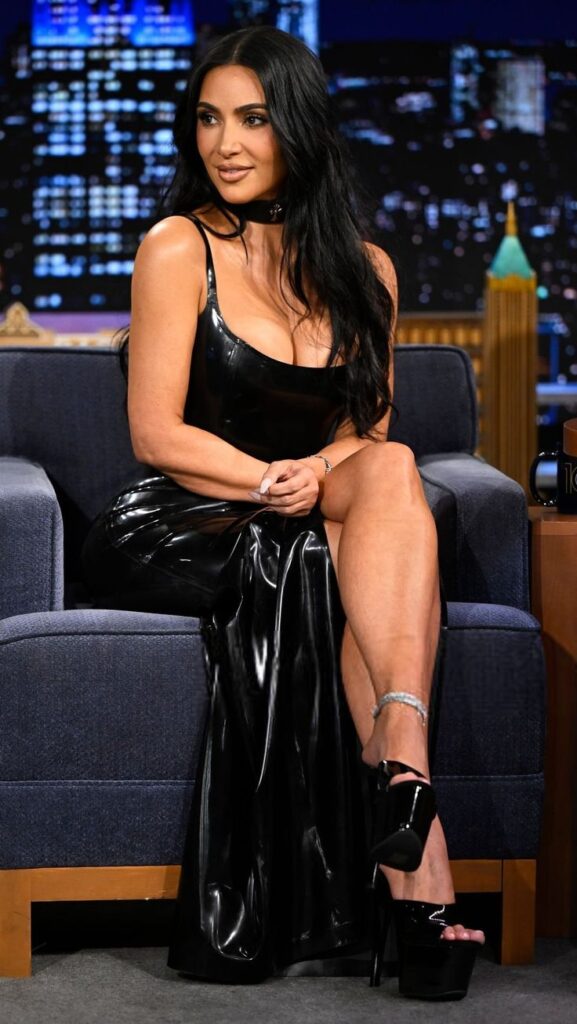
The Rise of the “Curvy Ideal”
In the early 2000s, mainstream beauty standards often celebrated ultra-thin bodies. The fashion industry favoured runway models with minimal curves, and tabloids harshly criticized celebrities who didn’t fit that Mold.
Then came Kim Kardashian. Through reality television, red carpet appearances, and social media dominance, she popularized a dramatically different silhouette — a cinched waist paired with pronounced hips and a fuller figure.
Her body shape was celebrated as bold, confident, and unapologetically feminine. For many women, especially those who naturally had curvier bodies, this representation felt refreshing. It challenged the previously dominant thin ideal and expanded what mainstream beauty could look like.
However, the shift also sparked debate. While some viewed it as body positivity, others questioned whether this new ideal simply replaced one unrealistic standard with another.
Social Media and the Amplification of Trends
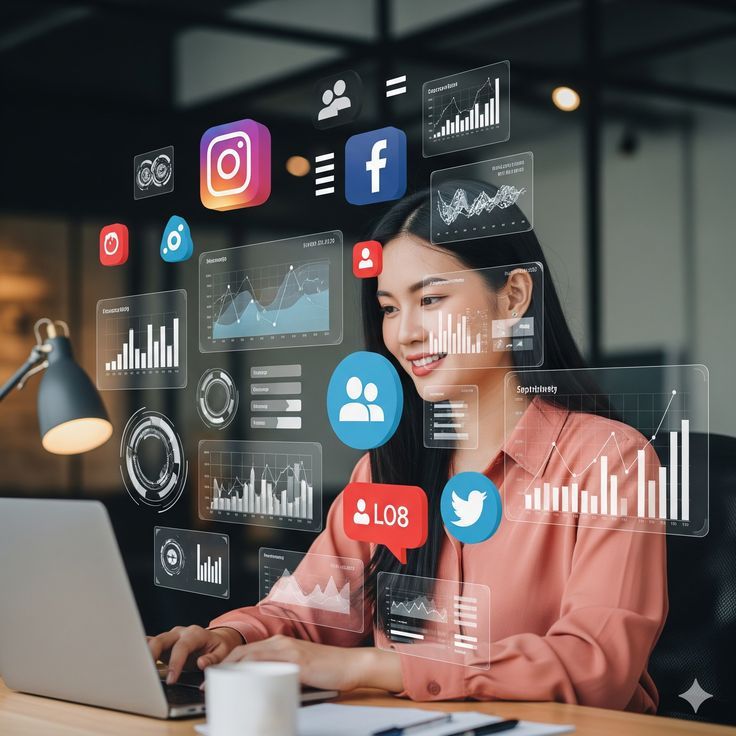
Platforms like Instagram played a massive role in amplifying Kim’s influence. Carefully curated images, edited photos, and aesthetic branding contributed to a polished and aspirational image.
With millions of followers worldwide, her posts didn’t just reflect trends — they created them. Waist trainers, contour makeup, shapewear, and cosmetic procedures became more widely discussed and normalized.
The controversy here lies in accessibility and realism. While celebrities have access to personal trainers, nutritionists, stylists, and sometimes cosmetic procedures, everyday people often compare themselves without recognizing those advantages.
This comparison culture can lead to unrealistic expectations and body dissatisfaction, especially among young audiences still forming their self-image.
Cosmetic Enhancement: Transparency and Speculation
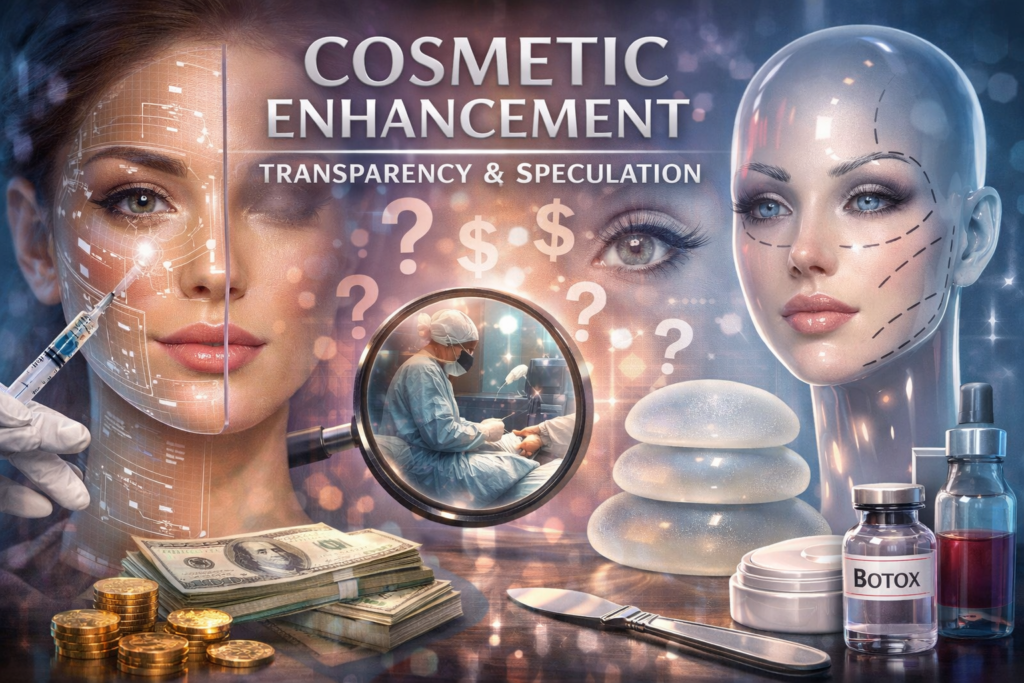
One of the most debated aspects of the Kim Kardashian body trend conversation involves cosmetic procedures. Over the years, public speculation about surgeries and enhancements has been persistent.
While Kim has publicly addressed some rumors and denied others, critics argue that partial transparency can create confusion. If audiences believe a look is purely natural when it may involve medical or cosmetic intervention, expectations can become distorted.
This debate extends beyond one celebrity. It touches on a broader cultural issue: Should public figures be fully transparent about cosmetic work? Or is it their personal right to privacy?
The conversation is complex. On one hand, honesty may promote realistic standards. On the other, celebrities are entitled to bodily autonomy and personal boundaries.
Cultural Appropriation Concerns
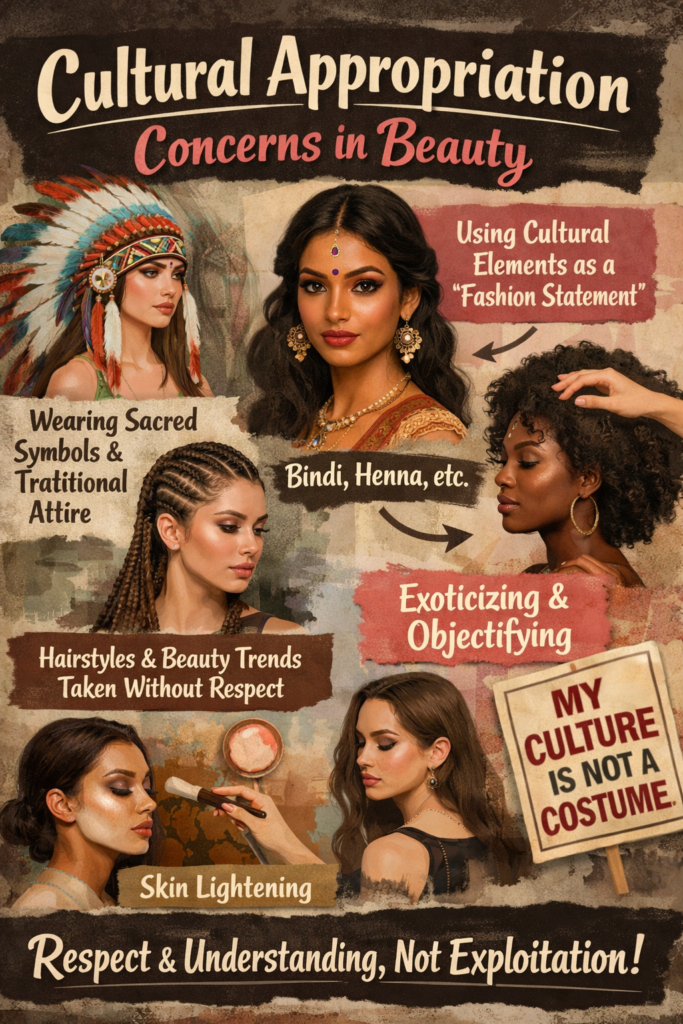
Another dimension of the controversy involves cultural aesthetics. Kim Kardashian has frequently been accused of adopting styles historically rooted in Black and Brown communities — from hairstyles to fashion and body aesthetics — and receiving praise for them in ways that marginalized communities often do not.
This has sparked discussions about cultural appropriation versus appreciation. Critics argue that features such as fuller lips, curvier bodies, and certain fashion choices were once stigmatized on women of color but became trendy when worn by mainstream celebrities.
Supporters counter that beauty evolves through global influence and shared inspiration.
Regardless of stance, the debate highlights how body trends are not created in a vacuum — they intersect with race, history, and systemic inequalities.
The Business of Beauty
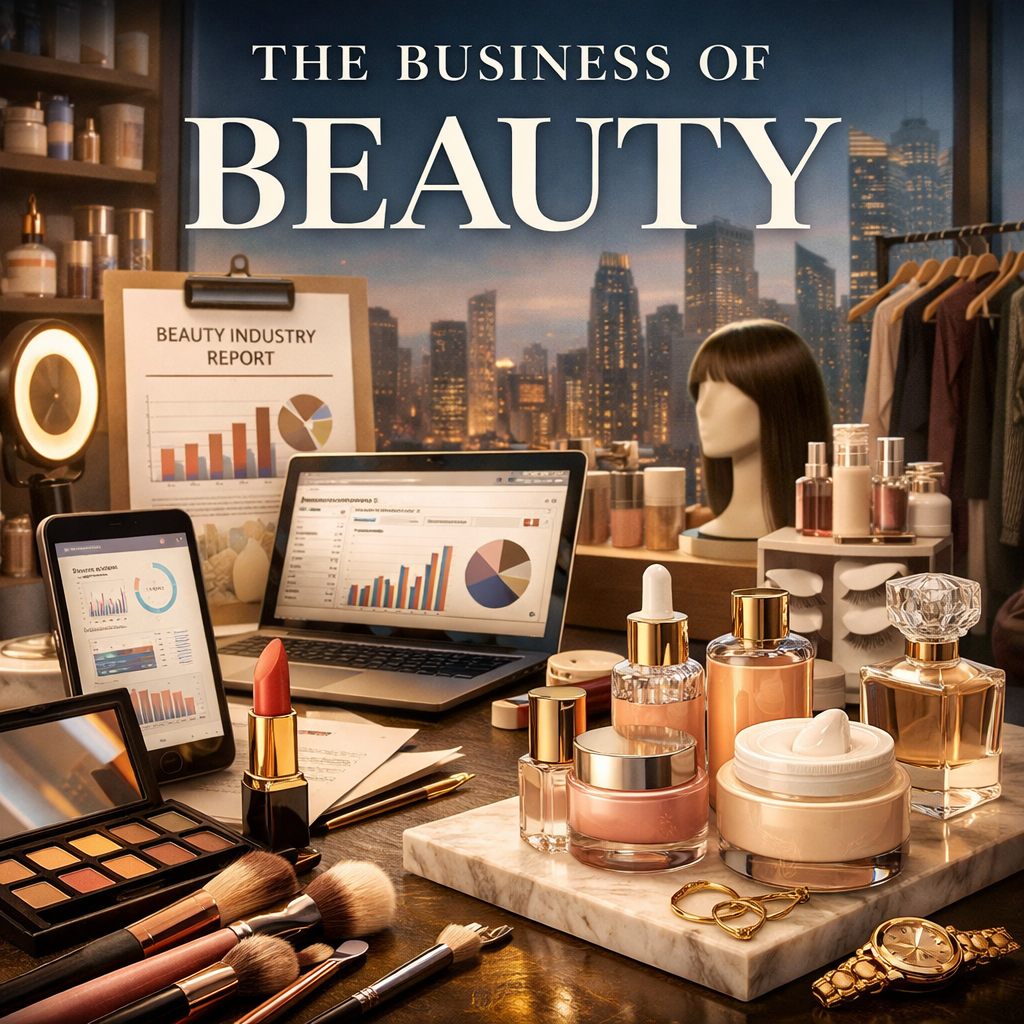
It’s also important to recognize that body trends are tied to business. Kim Kardashian is not only a celebrity; she is a businesswoman. Through brands in beauty and shapewear, she has monetized the aesthetic associated with her image.
This commercialization adds another layer to the controversy. When a specific body type becomes profitable, it reinforces the idea that certain appearances are more valuable than others.
At the same time, many consumers appreciate products that help them feel confident and empowered. Shapewear, makeup, and fashion have long been tools for self-expression. The key question becomes: Is the industry empowering individuals, or subtly pressuring them to conform?
The Shift Toward “Natural” Again
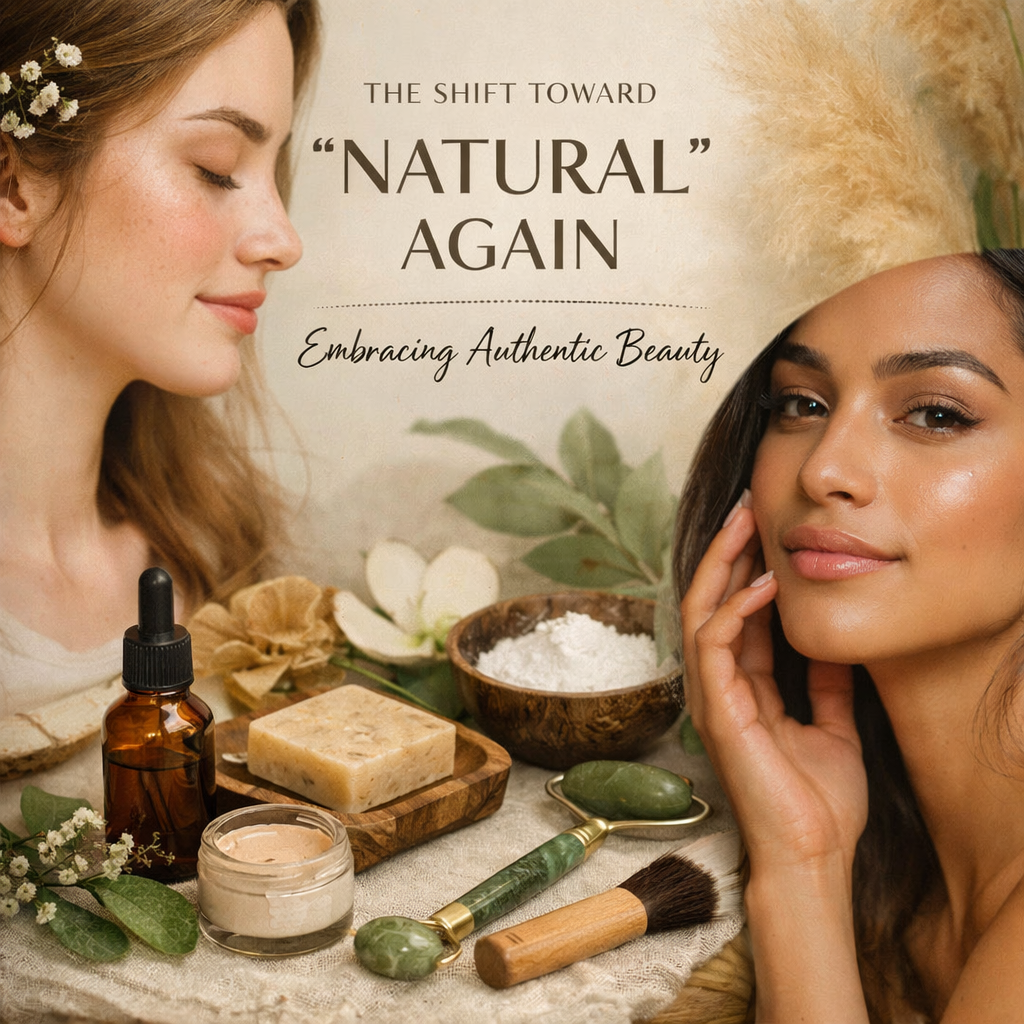
Interestingly, recent years have seen a subtle shift in body trends. Social media discussions suggest that extreme curves may be giving way to a more “natural” aesthetic. Some speculate that even Kim herself appears to embrace a toned-down silhouette compared to earlier years.
This evolution has reignited debate. Critics argue that rapidly changing trends treat women’s bodies as fashion statements — something to modify according to what is currently popular.
When body types trend like clothing styles, the emotional toll can be significant. Women may feel pressured to adapt physically to remain socially relevant, which is neither realistic nor healthy.
The Psychological Impact on Young Audiences
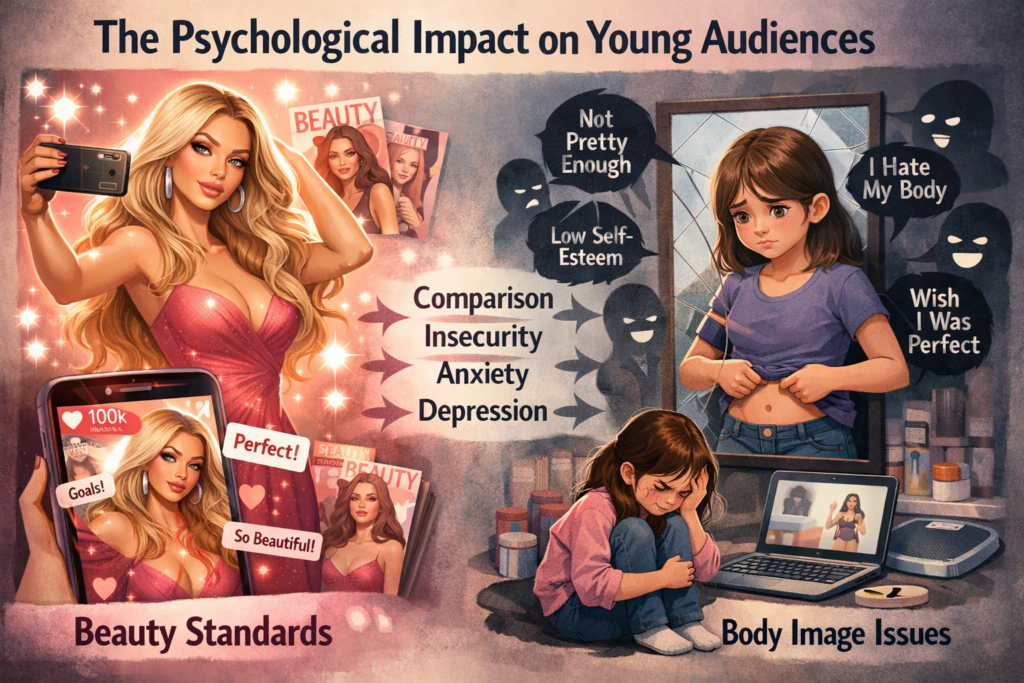
Perhaps the most serious aspect of this debate is its effect on teenagers and young adults. Social comparison theory suggests that people evaluate themselves based on others they perceive as successful or admired.
When influencers and celebrities project highly curated images, young viewers may internalize those standards. This can affect self-esteem, eating habits, and overall mental well-being.
It is important to approach this topic carefully and compassionately. Not all viewers are negatively impacted, and many understand that social media represents a highlight reel rather than reality.
However, open discussions about media literacy, photo editing, and body diversity are crucial in helping young audiences navigate these influences.
A Broader Cultural Reflection
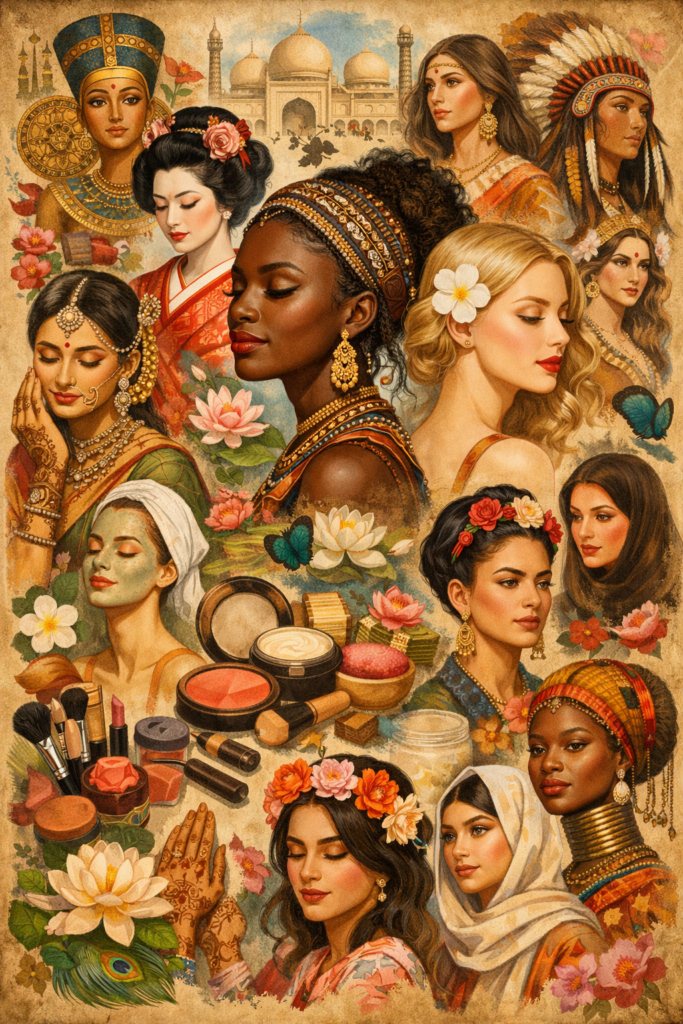
While Kim Kardashian often becomes the focal point of criticism, it may be more productive to view her as a symbol of broader societal patterns. She operates within a system that rewards appearance-based influence.
The public consumes, shares, and elevates certain images. Brands invest in profitable aesthetics. Social media algorithms amplify visually striking content.
Blaming a single individual oversimplifies a complex ecosystem. Instead, the debate invites us to reflect on our collective role in sustaining body trends.
Moving Toward Body Diversity
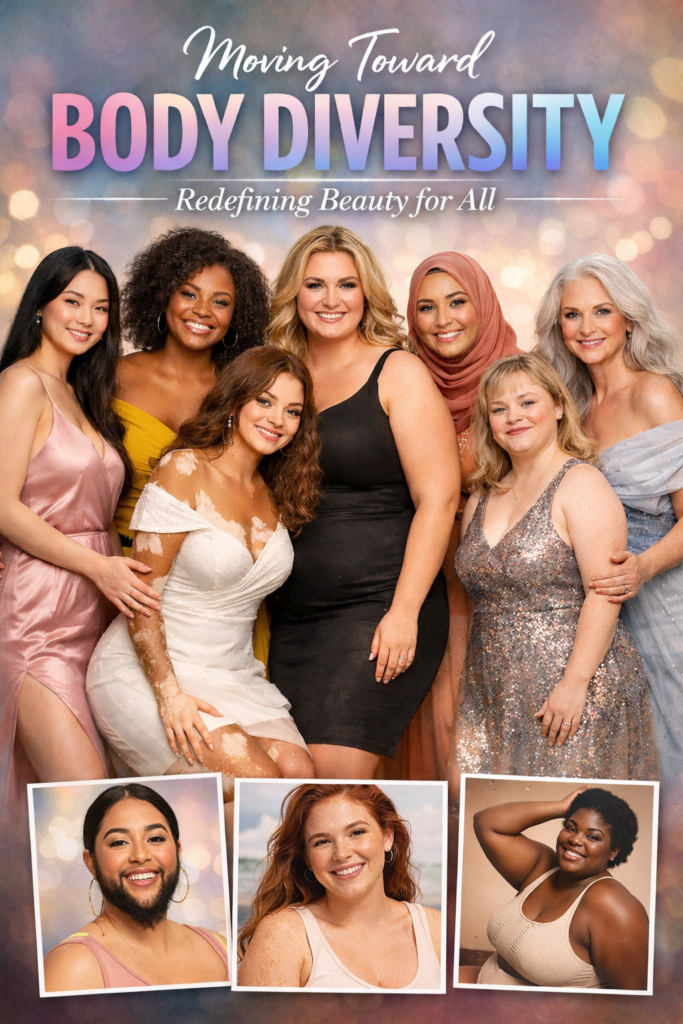
The controversy surrounding Kim Kardashian ultimately underscores a deeper cultural need: genuine body diversity.
True inclusivity means celebrating a wide range of shapes, sizes, ethnicities, and natural features — not elevating one body type at a time. It means separating self-worth from appearance and recognizing that beauty standards are socially constructed and constantly evolving.
Kim Kardashian’s influence is undeniable. She helped redefine mainstream beauty in the 2010s. Whether one views that impact as empowering or problematic depends largely on perspective.
What remains clear is this: body trends should never dictate self-value.
As consumers of media, we can admire style and aesthetics while also questioning unrealistic standards. As a culture, we can shift from chasing trends to embracing authenticity.
The conversation isn’t just about one celebrity. It’s about how we define beauty — and whether we allow it to define us.
The Trend Cycle: From Curvy to “Natural”
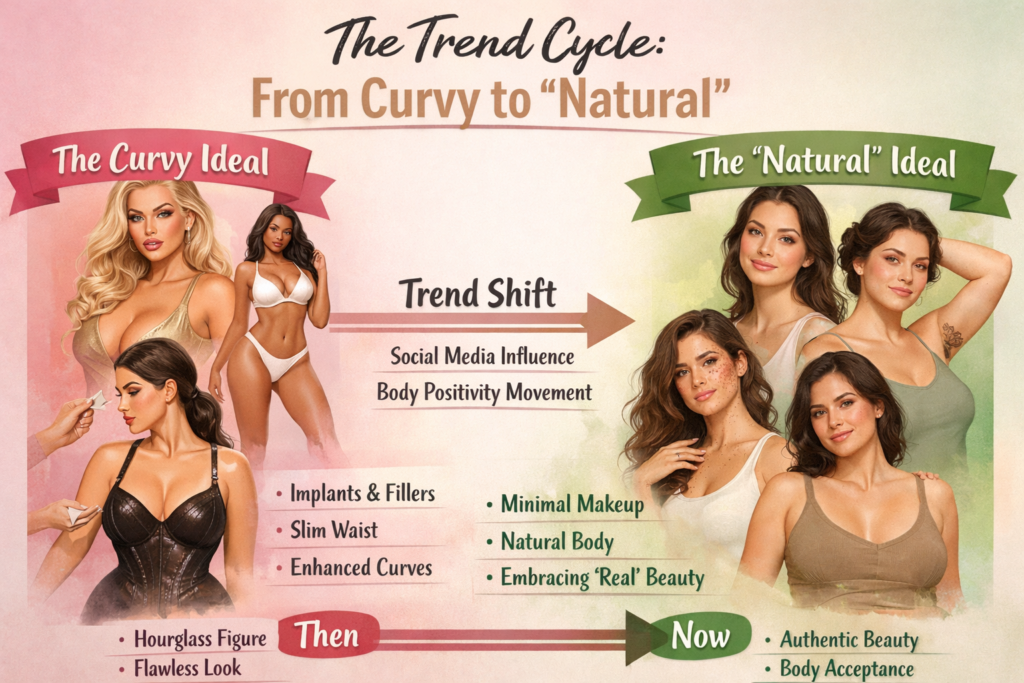
Interestingly, recent years have shown a subtle shift. The extreme hourglass silhouette seems to be giving way to a more toned-down, “natural” look. Even public appearances suggest that beauty trends continue to evolve.
This rapid change highlights a deeper issue: when body types trend like clothing styles, it can make people feel pressured to adapt physically to remain socially relevant.
Bodies are not fashion accessories. They are not meant to change with every cultural wave.
Redefining Beauty Beyond Trends
The debate surrounding Kim Kardashian is ultimately about more than one person. It reflects how society treats beauty as something that can trend, shift, and be monetized.
True progress comes not from replacing one “ideal” body type with another, but from expanding the definition of beauty entirely.
Body diversity means celebrating all shapes and sizes without ranking them. It means recognizing that confidence is not tied to curves, thinness, or social media approval.
Kim Kardashian’s influence on modern beauty standards is significant. She helped reshape mainstream ideals in the 2010s and sparked global conversation. But the most important takeaway is this:
Your body is not a trend.
Trends fade. Filters change. Aesthetics evolve.
But self-worth should never be seasonal.