Growing up in India, most of us have heard phrases like ”don’t go out in the sun, you’ll get dark” or ”try this ubtan, it will make you fair.” These seemingly harmless comments are rooted in something far deeper- Colorism , a form of discrimination that has shaped beauty standards in our country for generations.
But here’s the truth: your skin tone is not a flaw to fix. It’s a feature to celebrate.
What is Colorism?
Colorism is Prejudice or discrimination against individuals with darker skin tone, typically among people of the same ethnic or racial group. unlike racism, Which is about different races, colorism happens within communities.
In India, these manifests as:
- Matrimonial ads seeking “fair” brides
- Job interviews where lighter-skinned candidates are preferred
- Fairness creams marketed as solutions to “dull” or “dark” skin
- Casual comments from family and friends
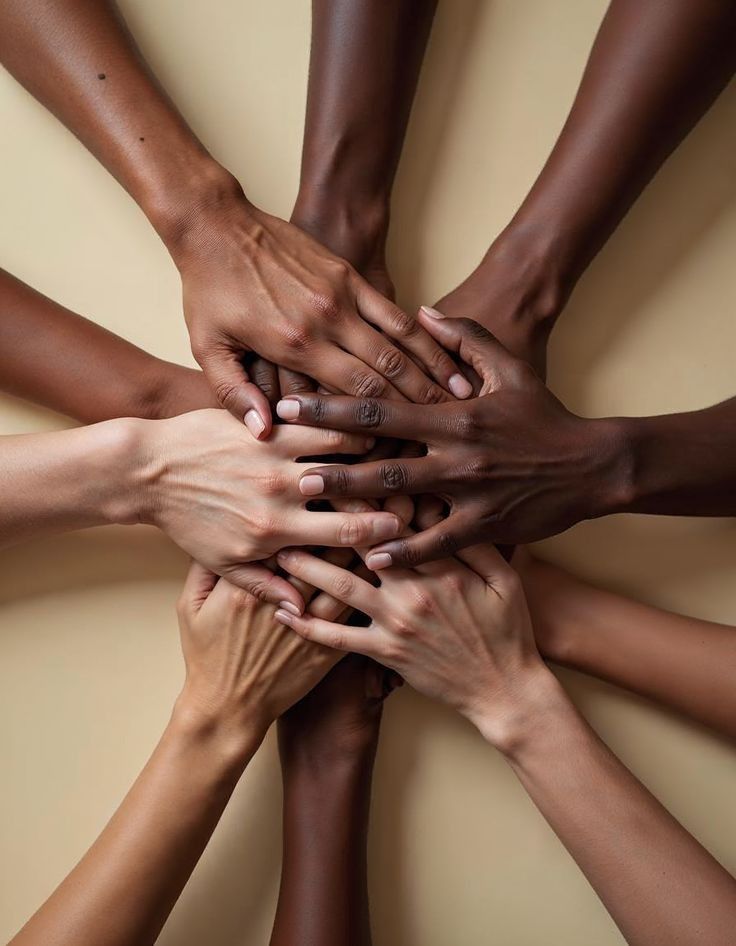
The Roots of Colorism in India
1. Colonial Legacy
British rule reinforced the idea that lighter skin equaled superiority. This wasn’t about beauty- It was about power and control.
2.Caste System Connections
Historically, darker skin was associated with outdoor labor, while lighter skin indicated indoor, “higher” work. This false hierarchy still lingers.
3.Media & Bollywood
For decades, leading roles went to fair- skinned actors. Dark-Skinned characters were often cast as villains, servants, or comic relief.
4.The Beauty Industry
India’s fairness cream market was worth ₹5,000+ crores. Brands profited by making millions feel inadequate about their natural skin tone.
The Real Cost Of Colorism
| Impact Area | Consequence |
| Mental Health | Low self-esteem, anxiety, depression |
| Relationships | Rejection in arranged marriages, family pressure |
| Career | Discrimination in hiring, fewer opportunities |
| Physical Health | Harmful bleaching products causing skin damage |
| Children | Young girls learning to hate their skin early |
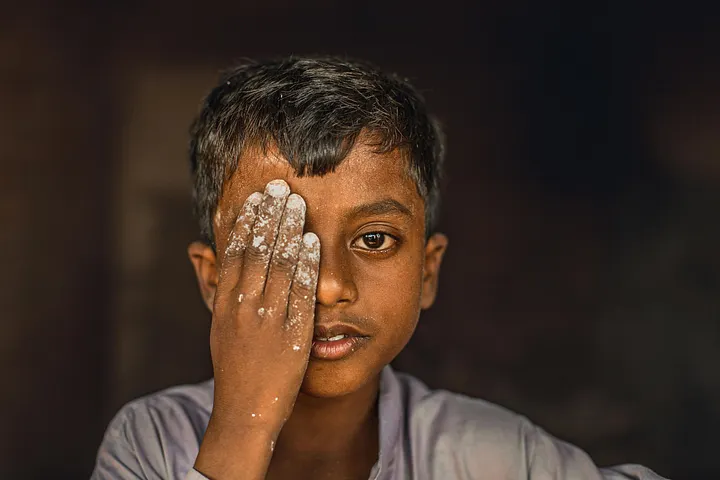
The Tide Is Turning
Positive Changes We’re Seeing:
1. Brands Dropping “Fairness”
In 2020, Unilever renamed “Fair & Lovely” to “Glow & Lovely.” While symbolic, it signals a shift.
2. Diverse Representation
Actors like Radhika Apte, Nawazuddin Siddiqui, and Bipasha Basu are celebrated for talent, not skin tone.
3. Social Media Movements
Hashtags like #DarkIsBeautiful and #UnfairAndLovely are reclaiming narratives.
4. Gen Z Speaking Up
Young Indians are calling out colorist comments and refusing to use fairness products.
The Psychological Impact We Don’t Talk About

The damage of colorism runs deeper than skin. Studies show that colorism affects:
1. Self-esteem
Children as young as 4 years old start associating darker skin with negative traits
2. Mental health
Constant messaging that you’re “not light enough” leads to anxiety and depression
3.Career opportunities
Research shows hiring biases based on skin tone still exist
4.Relationships
Many grow up believing they’re less lovable because of their complexion
Think about the first time someone made you feel your skin wasn’t “right.” That memory probably still stings. That’s the power of colorism—it plants seeds of doubt that can take years to uproot.
Why Every Indian Skin Tone is Scientifically Beautiful

Let’s talk facts. Indian skin tones range from ivory to deep ebony, and each shade exists for a reason:
Melanin is a superpower. The pigment that gives our skin its colour also protects us from UV radiation and reduces the risk of skin cancer. Darker skin ages slower, showing fewer wrinkles and sun spots over time. That’s not a flaw—that’s evolution working in your favour.
Diversity is our heritage. India is home to some of the most diverse genetics in the world. Our skin tones tell stories of our ancestors, our regions, our history. Trying to homogenize Indian beauty into one shade erases this rich tapestry.
Warm undertones are universally flattering. Most Indian skin has beautiful warm or neutral undertones that make gold jewellery glow, traditional attire pop, and sunset lighting look like it was made for us.
Redefining Beauty on Our Own Terms
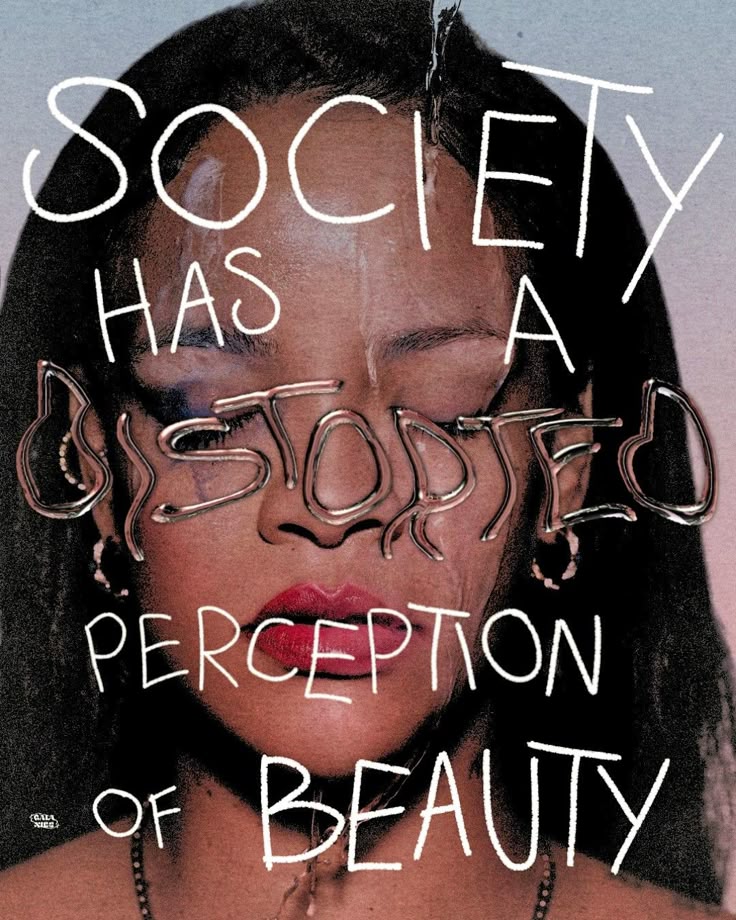
The good news? Things are changing. More brands are expanding shade ranges. Influencers are calling out discriminatory advertising. The term “fairness cream” is slowly being replaced with “glow” or “radiance”—though we still have far to go.
1. Audit Your Language
Notice when you use words like “fair” as a compliment or “dark” as something to be fixed. Language shapes thought, and thought shapes reality.
2. Celebrate Diverse Beauty
Follow creators of all skin tones. Appreciate beauty that looks different from what mainstream media shows you. Your feed should reflect the real, gorgeous diversity of India.
3. Choose Brands That Choose You
Support beauty brands that don’t promote lightening, that offer inclusive shade ranges, and that celebrate Indian beauty in all its forms. Your rupees are your vote.
4. Have Uncomfortable Conversations
When relatives make colorist comments, gently push back. When friends use lightening filters, start a dialogue. Change happens one conversation at a time.
5. Treat Your Skin, Not Your Shade
Focus on skin health—hydration, sun protection, treating concerns like acne or pigmentation. But do it because you deserve healthy skin, not because you’re trying to become someone you’re not.
A Love Letter to Your Skin

Your skin has carried you through every moment of your life. It’s healed your wounds, protected your body, and quite literally held you together. It deserves love, not criticism.
The shade you were born with is not an accident. It’s not a starting point that needs improvement. It’s the exact colour you were meant to be—the colour of your grandmother’s hands making rotis, of your father’s arms that held you, of generations of survivors and dreamers who came before you.
You don’t need to glow up. You already glow.