The Unspoken Inheritance of brown skin : Why Comparison is the Shadow of the Brownish tone.
There is a quiet burden carried by those with brownish skin-. one that rarely gets named but its deeply felt. It is not taught directly, yet it is learned early. It shows up in mirrors, conversations, compliments, and concerns masked as care. This burden is comparison, and it follows the brownish tone like a shadow that never quite let’s go.
From the childhood, brownish skin is noticed before personality, before talent, before dreams. It becomes a reference point. Too dark for some spaces, not light enough for others, always for somewhere in between always measured. The brownish tone is rarely allowed to simply be. It is evaluated, ranked, and commented on, often without invitation.
Comparison enters gently at first.
“She’s pretty, but imagine if she were lighter.”
“You have such nice features– just stay out of the sun.”
“This shade runs in the family; we have to manage it.”
These statements are often spoken casually, without malice, but their weight accumulates. They teach a subtle lesson: brownish skin is something to negotiate with, not something to celebrate.
The world offers constant contrasts. Advertisements, films, marriage proposals, beauty standards– all quietly suggest that lighter is easier, softer, more desirable. The brownish tone becomes the ”almost” ideal. And so comparison becomes instinctive, even involuntary.
Those with brownish skin learn to scan rooms quickly–who is lighter, who is darker, who will be favoured. They learn to adjust: clothing that ”brightness,” makeup that conceals, lighting that flatters, filters that soften reality
The shadow may still appear–habits formed over generations do not disappear overnight. But it no longer defines direction. It no longer leads the way.
And perhaps the greatest inheritance to pass forward is this: a generation that looks at brownish skin and sees not something to compare, but something complete.
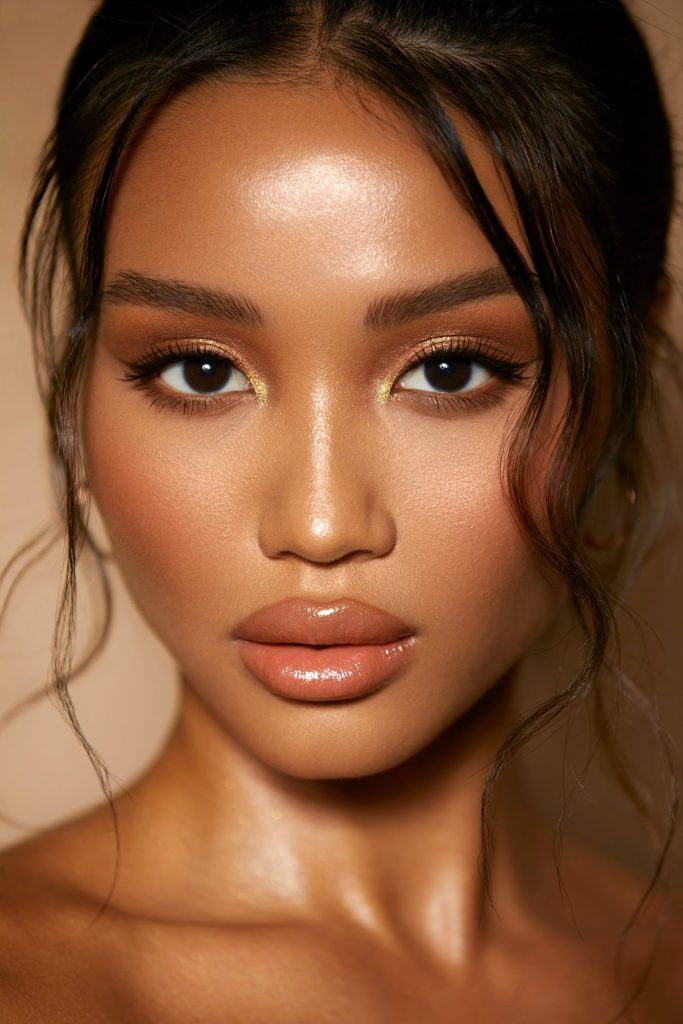
When skin becomes a standard
There is a moment–often unnamed–when skin stop being just skin and starts becoming a standard. It is the moment when colour is no longer descriptive, but evaluative, when tone quietly transforms into a benchmark for beauty, worth and belonging.
For those with a brownish tone, this moment arrives early. Sometimes it comes through comparison with siblings–one lighter, one darker, sometimes through casual remark from elders, spoken without cruelty but heavy with implication. And sometimes it arrives silently, through television screens, billboards, and social media feeds that rarely reflect brownish skin without conditions attached. Lighter is praised as ”clean,” ”soft,” ”presentable,” ”darker,” is burdened without assumptions –too bold, too rough. Brownish skin exists in the tension between these extremes, constantly assessed, rarely affirmed. It is treated as something that needs management: protected from the sun, corrected with products, softened with filters.
And yet, standards are not truths–they are inventions. They survive only because they are repeated, rarely questioned. When we begin to ask who benefits from these hierarchies, their authority starts to crack. When we recognize that beauty was never meant to be linear, the scale loses meaning. brownish skin does not exist to be measured. It exist to live, to feel sunlight without fear, to take up space without apology. It carries warmth, history, depth– things no standard can quantity.
Unlearning the idea that skin must meet a benchmark is not easy. But it is freeing. Because the moment skin stops being a standard, it becomes what it was always meant to be: simply human.
Learning to compare Before learning to love

Once skin becomes a standard, comparison no longer needs to be taught– it is absorbed, Brownish-toned children learn quickly where they stand, even when no explains it outright. They notice who receives effortless praise and who receives advice disguised as concern. They learn that admiration is selective, and acceptance often comes with conditions.
These unfinished sentence linger. Over time, they turn inward. The mirror stops being neutral and becomes interrogative. Am I light enough? Am I presentable enough? Am I desirable enough ?Self-love is delayed, postponed until some imagined improvement is achieved .
What makes this comparison especially powerful is that it rarely feels like cruelty. It arrives wrapped in care, tradition, and realism. families believe they are preparing their children for a biased world. Society believes it is simply reflecting preference. But the result is the same: a person taught to evaluate themselves before embracing themselves.
From Comparison to Celebration
Comparison is sneaky. It rarely announces itself loudly; instead, it slips quietly into our thoughts while we scroll, observe, and measure our lives against others. What starts as curiosity can quickly become self- doubt, resentment, or the feeling that we are somehow behind.
But Comparison doesn’t just steal joy–it distorts perspective.
The Trap of Comparison
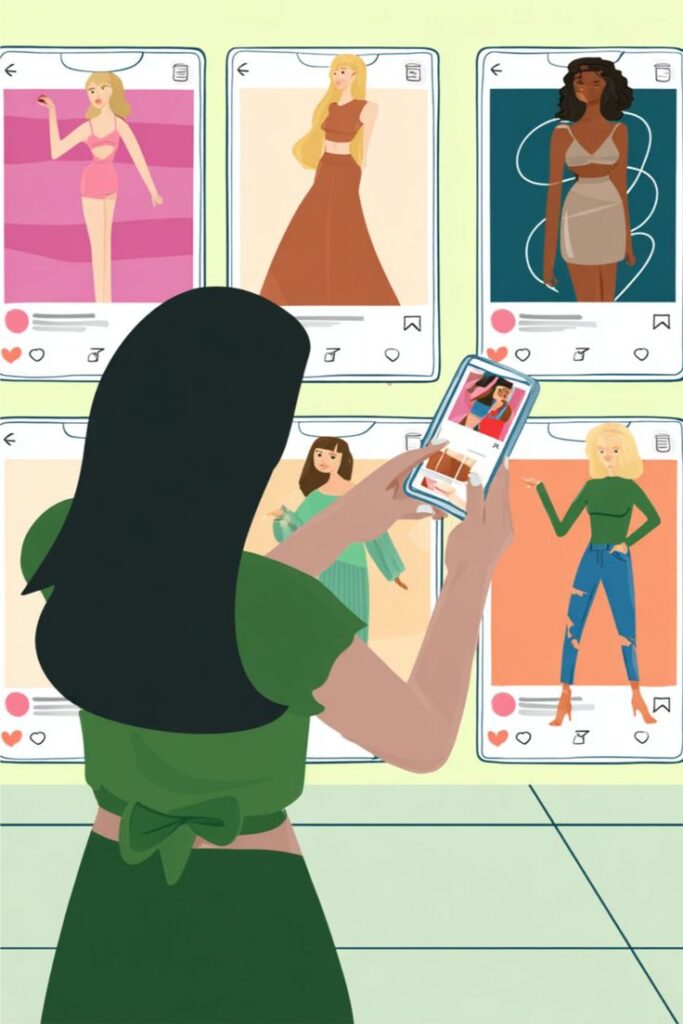
When we compare, we reduce complex, nuanced lives into highlights reels and snapshots. We see someone else’s success without their struggle, their confidence without their fear, their achievement without the years it look to get there. Meanwhile, we judge ourselves by our unfinished moments, our private failures, and our slow progress.
Comparison convinces us that life is a race with one finish line, and that everyone else is somehow closer to it than we are.
The Truth? There is no single timeline. No universal checklist. No identical calling.
Why Comparison feels so personal
Comparison hurts because it often targets what matters most to us: our dreams, our worth, our sense, of belonging. It whispers lies like:
“You should be further along.”
“They’re doing what you wanted to do.”
“If you were really gifted, it wouldn’t be this hard.”
The Burden of Comparison
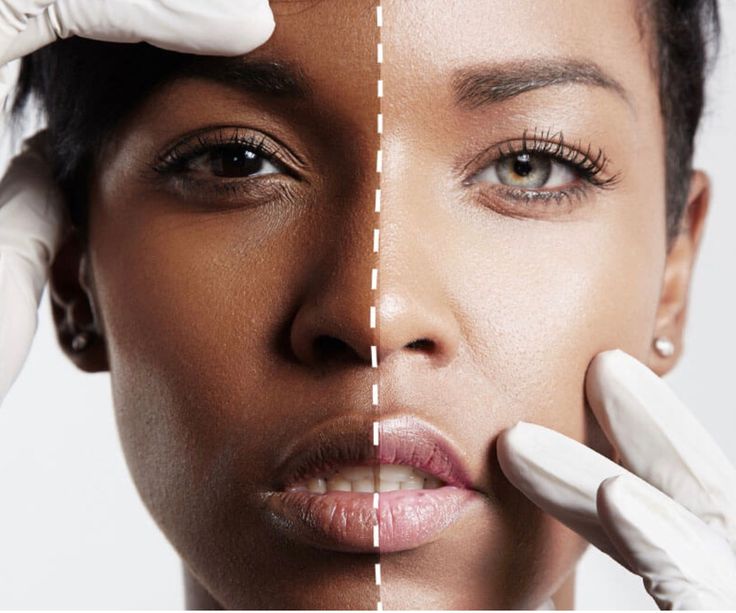
From childhood teasing to advertising campaigns, comparison has shadowed brown skin throughout life. Phrases like “You’d be prettier if you were lighter,” or “Use this to brighten your tone” are not just comments—they shape self-esteem, identity, and confidence. Comparison reduces a spectrum of beauty into a hierarchy, forcing brown skin into a contest it never chose.
Implying hierarchy based on skin tone is harmful. It suggests that certain shades are more acceptable, more successful, or more attractive. This thinking stems from historical biases, colonial legacies, and colorism—not truth or intrinsic beauty.
Representation and Media Responsibility
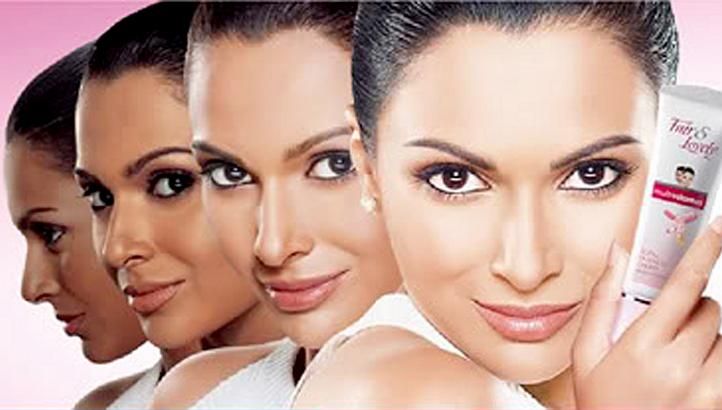
Representation matters–not as token, but as a reflection. When brown skin is only shown in limited or filtered ways, the underlying message is clear: be visible, but only in ways deemed acceptable. True appreciation means portraying brown skin in all its forms–strong and gentle, joyful and complex, celebrated without qualifiers.
This includes leading roles, advertisements, art, literature, and everyday imagery that reflect brown skin in authentic, unapologetic ways. Children seeing themselves in media without distortion or bias are more likely to grow into confident adults.
Brown Skin and Radical Self-love
Self- love for brown-skinned individuals can be revolutionary. It looks like wearing colors society says won’t suit you. It looks like basking in the sun without fear of judgment. It looks like loving your reflection unfiltered, embracing your unique hue.
Self- love reclaims narratives that have long been controlled by external expectations. It is affirmation, empowerment, and celebration rolled into one.
A Vision Beyond Comparison
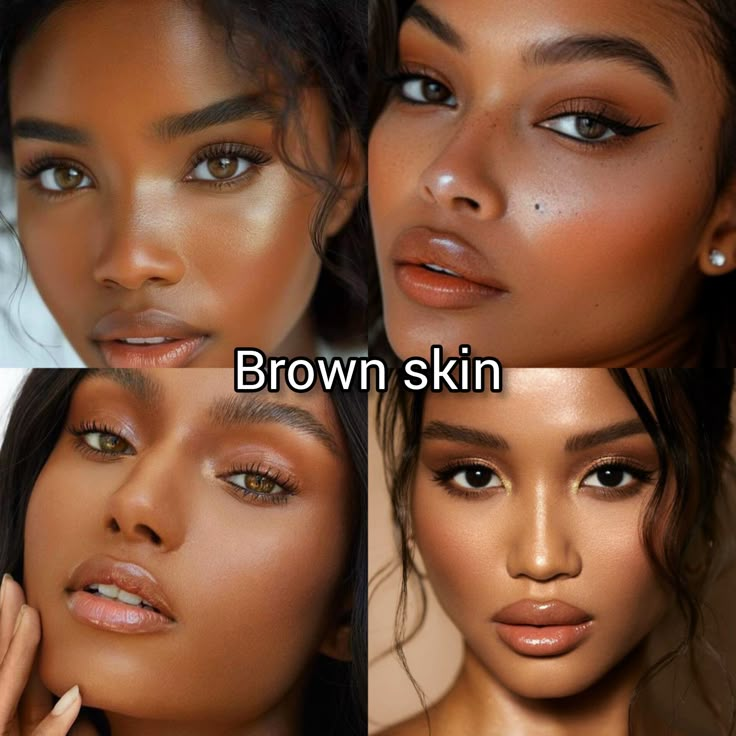
Imagine a world where brown skin is not praised for being “lighter than expected” or “beautiful despite.” Where appreciation is immediate, unconditional, and unapologetic. Where children grow up knowing their skin is not a limitation, but a legacy of beauty, resilience, and strength.
Brown skin does not need to be measured against anything else to be worthy. It already is.
~Brown skin deserves appreciation—not comparison, not correction, not apology. Celebration. Pride. Love. Full stop.~